 Welcome to the United Nations
The CDP subgroup met in New York City from 1 - 2 February 2018 to review the data used for the identification of least developed countries (LDCs)

-
Department of Economic and Social Affairs
Economic Analysis
News & Events
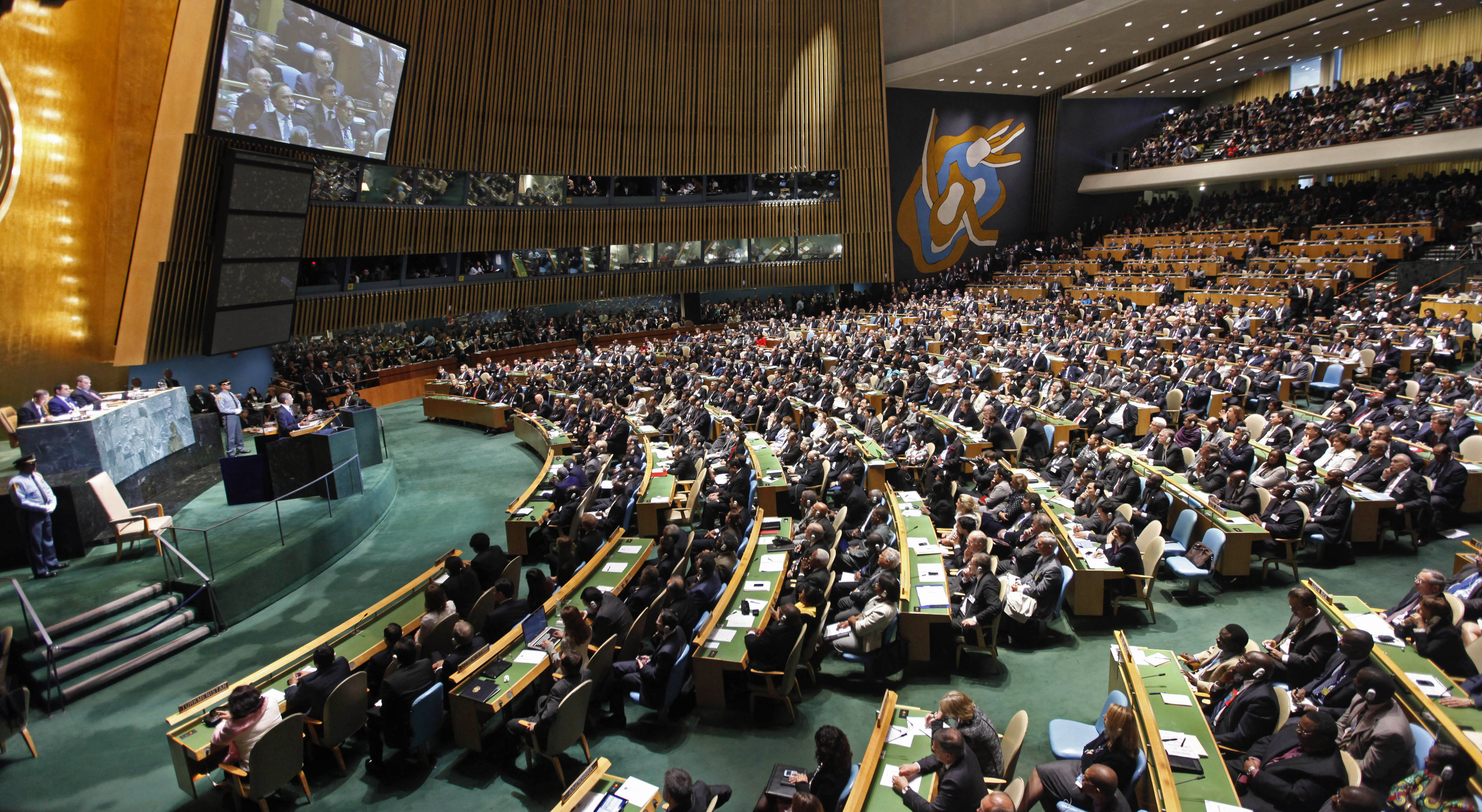
23 May 2017, UNHQ - Preparing for graduation from the Least Developed Country (LDC) category is a daunting task for the majority of LDCs. The countries face challenges in fully understanding the benefits from LDC-specific support they receive and what implication a possible graduation will have. Demand for information and support for a smooth transition from the LDC category continues to be high.
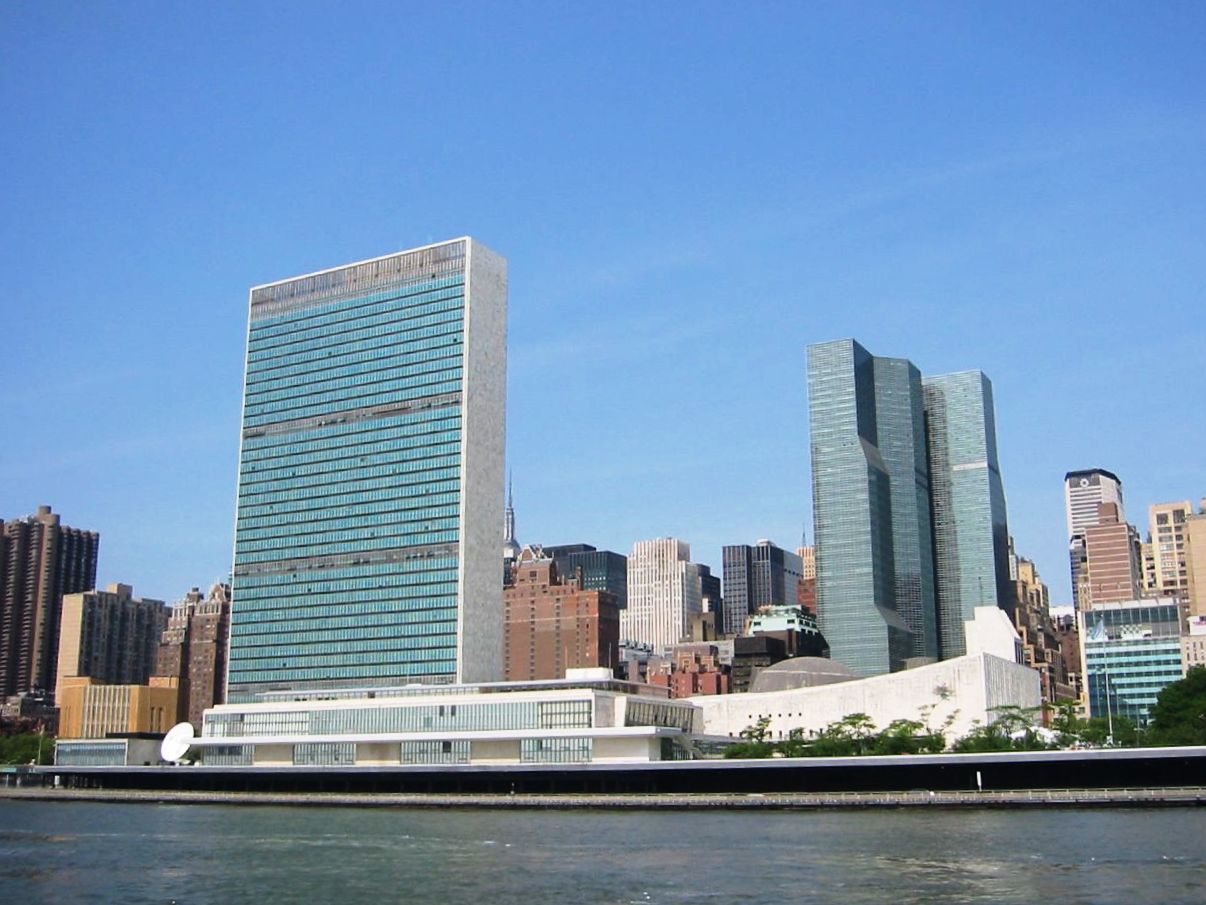
The mid-year update of the World Economic Situation and Prospects forecasts growth of world gross product to accelerate slightly from 2.6 per cent in 2014 to 2.8 per cent in 2015?a downward revision by 0.3 percentage points from the forecast presented in the World Economic Situation and Prospects 2015 in January. In 2016, global growth is forecast to improve to 3.1 per cent. The report was launched today in New York by Pingfan Hong, Director of the Development Policy and Analysis Division (DPAD), UN/DESA; and Ingo Pitterle, Economic Affairs Officer, DPAD/DESA.

DESA/DPAD, in collaboration with the Project LINK Research Center of the University of Toronto, held its annual Expert Group Meeting on the World Economy (Project LINK conference) from October 21 to 23 in New York. The conference was attend
An agenda on gender equality aimed at reducing women’s poverty, including in old age, should promote women’s labour market participation and decent work, ease their care burden and improve women’s pension coverage as well as pension adequacy.
Indigenous peoples contribute to mitigation and adaptation strategies including successful struggles against deforestation, mineral, oil and gas extraction in their ancestral lands; their fight against further expansion of monocrop plantations; their promotion of sustainable production and consumption systems through traditional knowledge and values of reciprocity with nature.
Multiple and intersecting forms of discrimination experienced by older persons are exacerbated during the COVID-19 pandemic and aggravate their vulnerabilities.
This brief suggests five early lessons from the response to the pandemic that can strengthen how science and technology are harnessed, including strengthening national capacities for science-based decision making.