The 2021 Country Snapshots compiles the key statistical data used by the Committee for Development Policy (CDP) at the 2021 triennial review of the least developed country category.
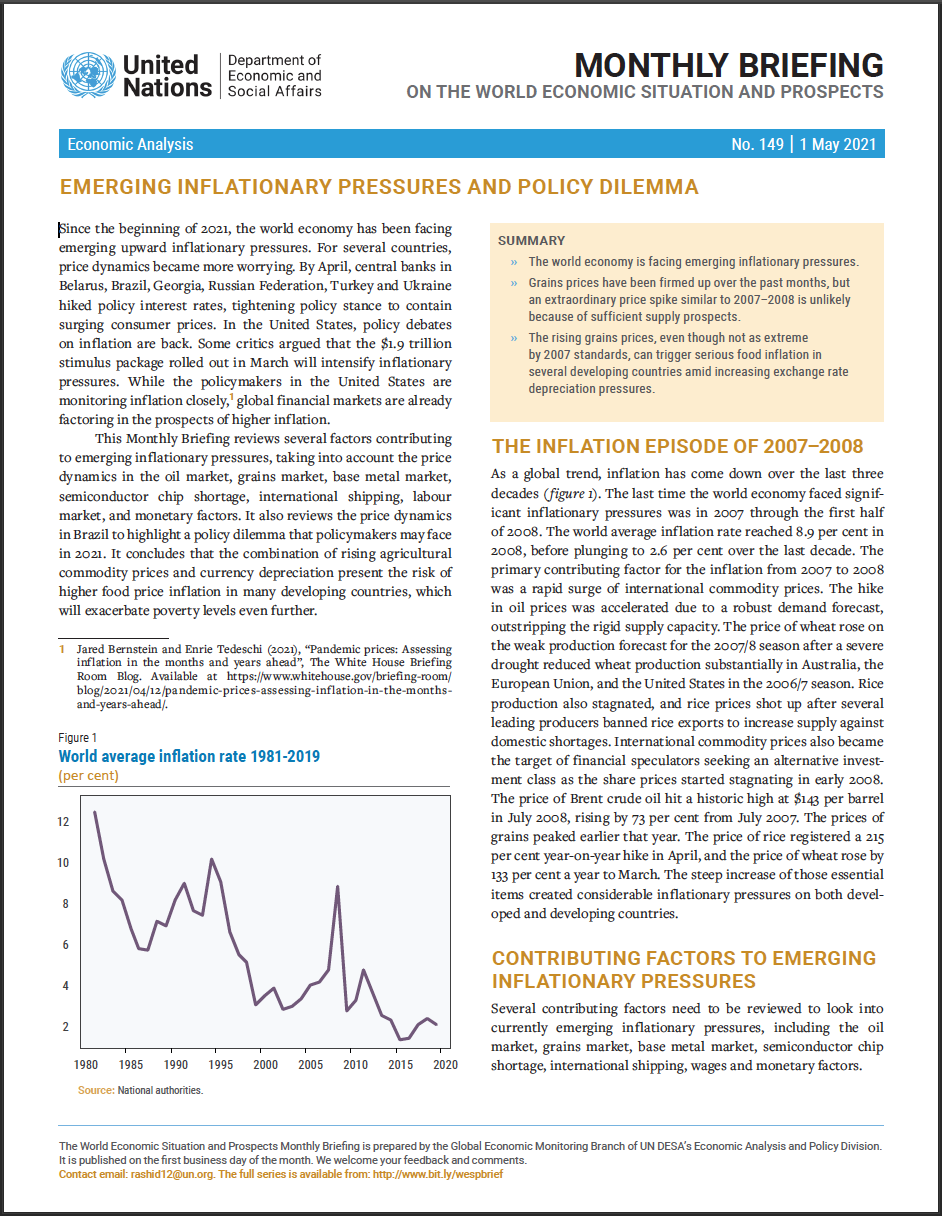
Several contributing factors need to be reviewed to look into currently emerging inflationary pressures, including the oil market, grains market, base metal market, semiconductor chip shortage, international shipping, wages and monetary factors.
New approaches made possible through improved access and Internet connectivity can raise the standard of living for approximately 3.4 billion people living in rural areas, without them having to migrate to cities, according to the newly released 2021 World Social Report “Reconsidering Rural Development.”
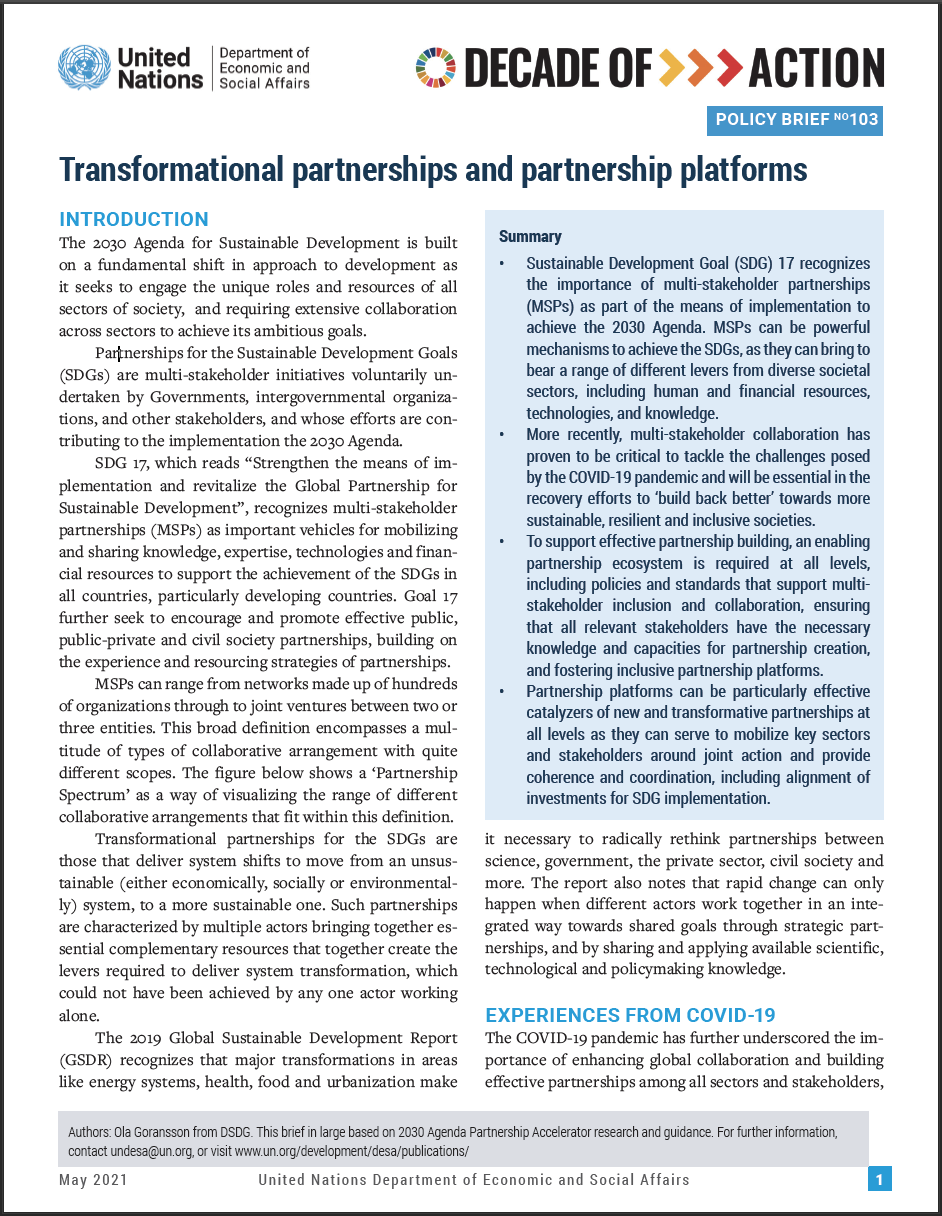
Multi-stakeholder collaboration has proven to be critical to tackle the challenges posed by the COVID-19 pandemic and will be essential in the recovery efforts to ?build back better? towards more sustainable, resilient and inclusive societies.
Indigenous peoples contribute to mitigation and adaptation strategies including successful struggles against deforestation, mineral, oil and gas extraction in their ancestral lands; their fight against further expansion of monocrop plantations; their promotion of sustainable production and consumption systems through traditional knowledge and values of reciprocity with nature.
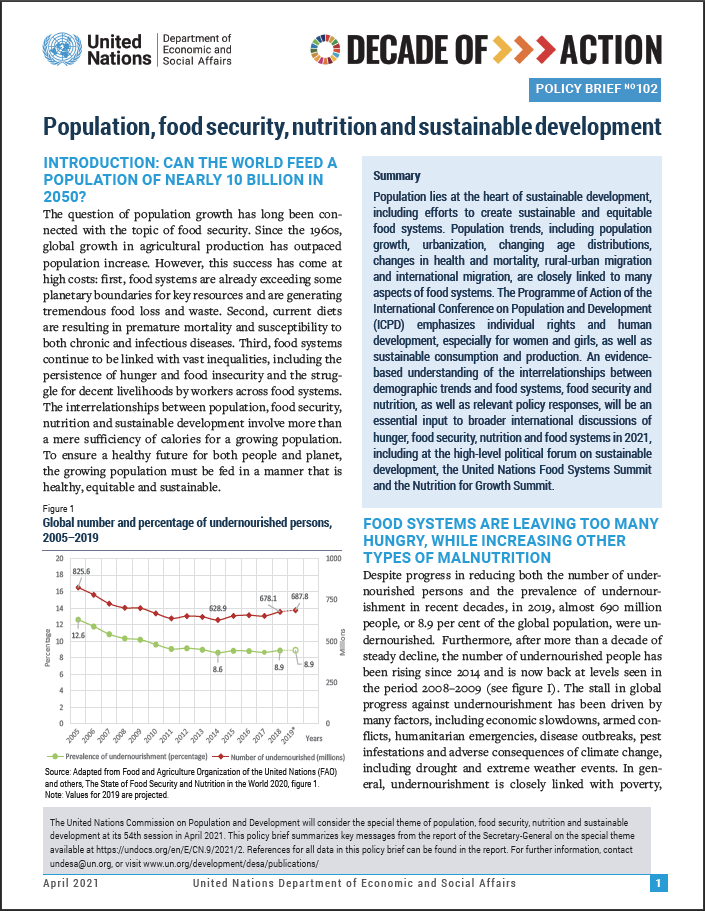
Despite progress in recent decades, in 2019, almost 690 million people, or 8.9 per cent of the global population, were undernourished. After more than a decade of steady decline, the number of undernourished people has been rising since 2014.
While least developed countries have up to now successful to limit direct health impacts of the COVID-19 pandemic, the socio-economic fallout has been extremely hard.
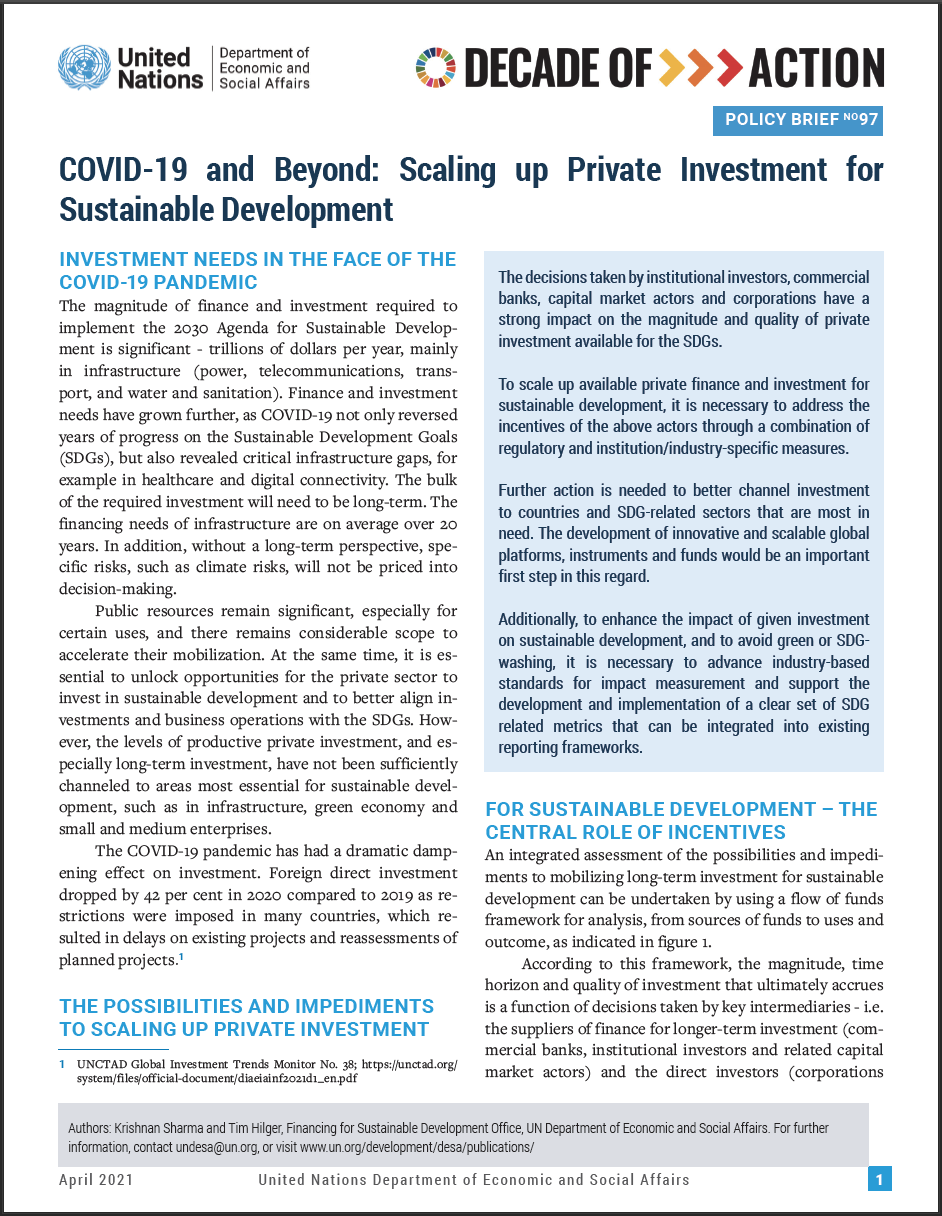
Further action is needed to better channel investment to countries and SDG-related sectors that are most in need. The development of innovative and scalable global platforms, instruments and funds would be an important first step in this regard.
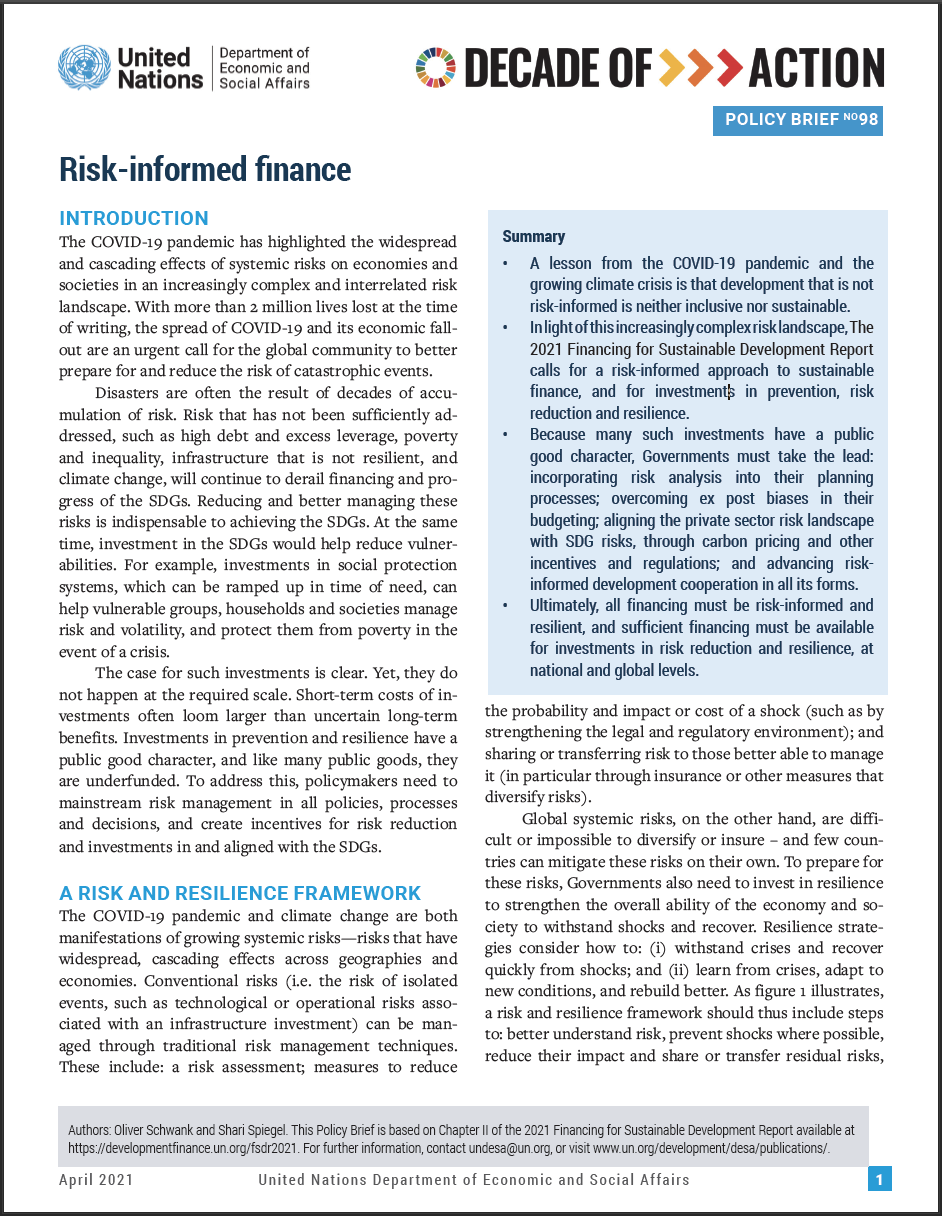
All financing must be risk-informed and resilient, and sufficient financing must be available for investments in risk reduction and resilience, at national and global levels.
 Welcome to the United Nations