 Welcome to the United Nations
On the 13th and 14th of October 2016, the Development Strategy and Policy Analysis (DSP) Unit will hold the First E

-
Department of Economic and Social Affairs
Economic Analysis
Development Research Branch (DRB)
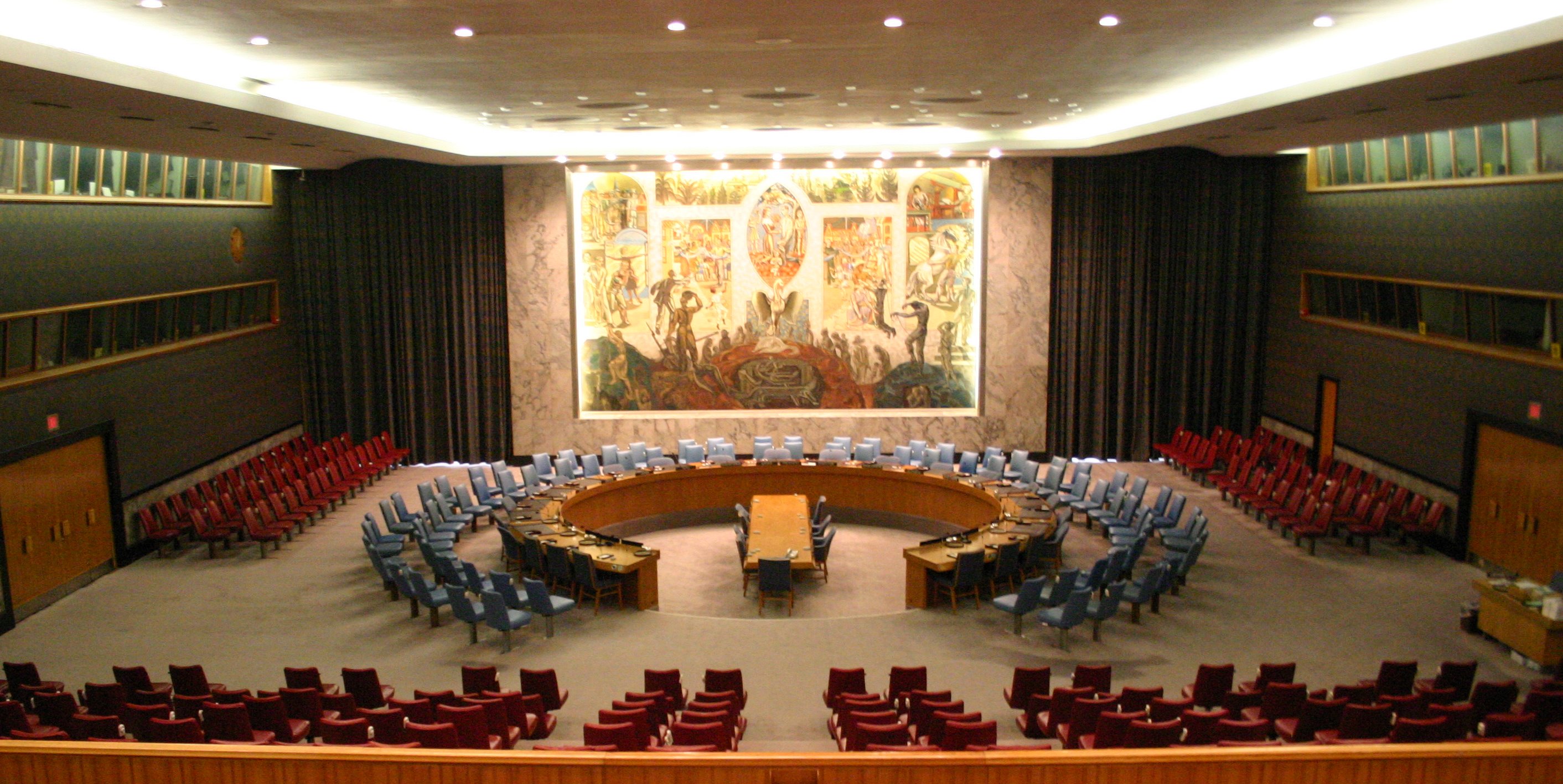
In addressing the specific challenge of building resilience to climate change, the Survey focuses attention on the population groups and communities that are disproportionately affected by climate hazards. It argues that, in the absence of transformative policies which coherently address the economic, social and environmental dimensions of development, building climate resilience will remain elusive and poverty and inequalities will worsen.
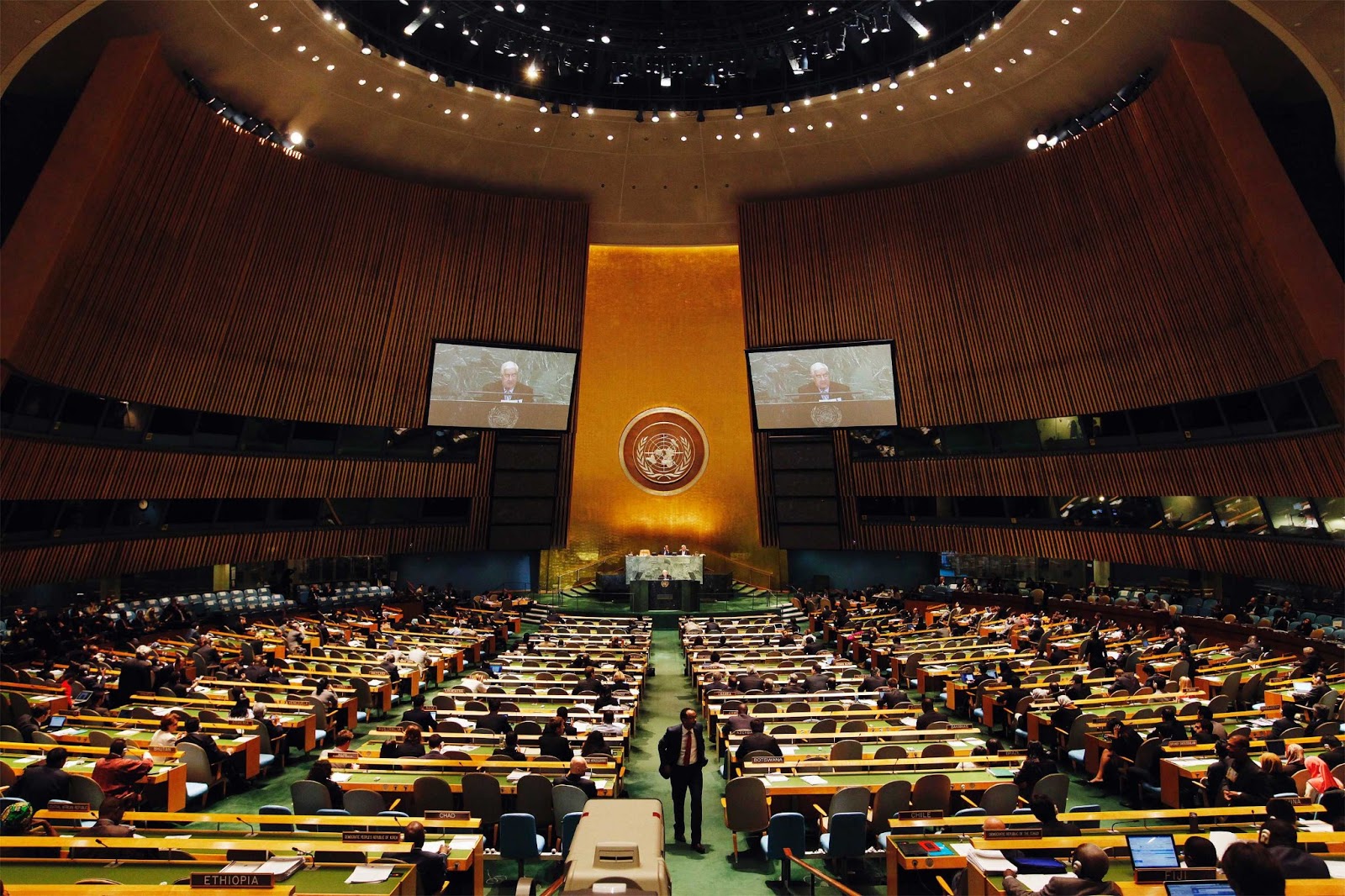
The World Economic and Social Survey 2016 contributes to the debate on the implementation challenges of the 2030 Agenda for Sustainable Development.
In addressing the specific challenge of building resilience to climate change, the Survey focuses at
The launching of the Millennium Development Goals (MDGs) at the dawn of the present century ushered in one of the most important initiatives undertaken by the United Nations. Concerted efforts at the international, national and subnational levels to achieve the MDGs have brought about significant development progress over the past 15 years. Nevertheless, important development gaps remain.
Income convergence between developed and developing countries in recent years is mainly the result of rapid economic growth in Asia. The distance between average per capita income in other developing regions and that in developed countries has not changed significantly; between-country inequality continues to be a cause of concern.
The subject of inequality appears throughout the 2030 Agenda for Sustainable Development, both directly and indirectly. When examined across the four different angles of inequality?access, gender, opportunity and outcomes?many goals and targets of the Sustainable Development Goals are clearly linked to inequality.
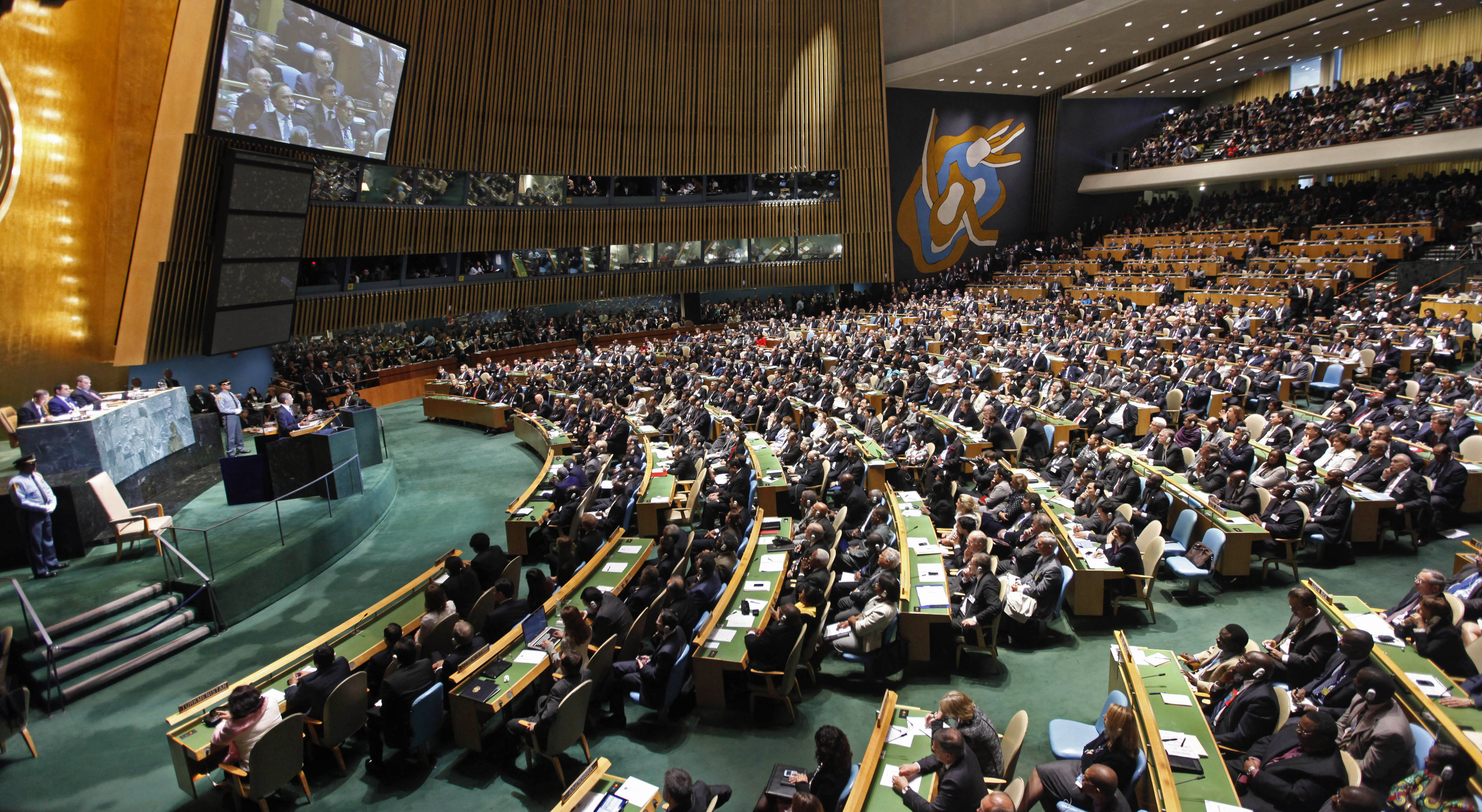
The understanding of inequality has evolved from the traditional outcome-oriented view, whereby income is used as a proxy for well-being. The opportunity-oriented perspective acknowledges that circumstances of birth are essential to life outcomes and that equality of opportunity requires a fair starting point for all.
Measuring poverty with a single income or expenditure measure is an imperfect way to understand the deprivations of the poor since, for example, markets for basic needs and public goods may not exist. Complementing monetary with non-monetary information provides a more complete picture of poverty.
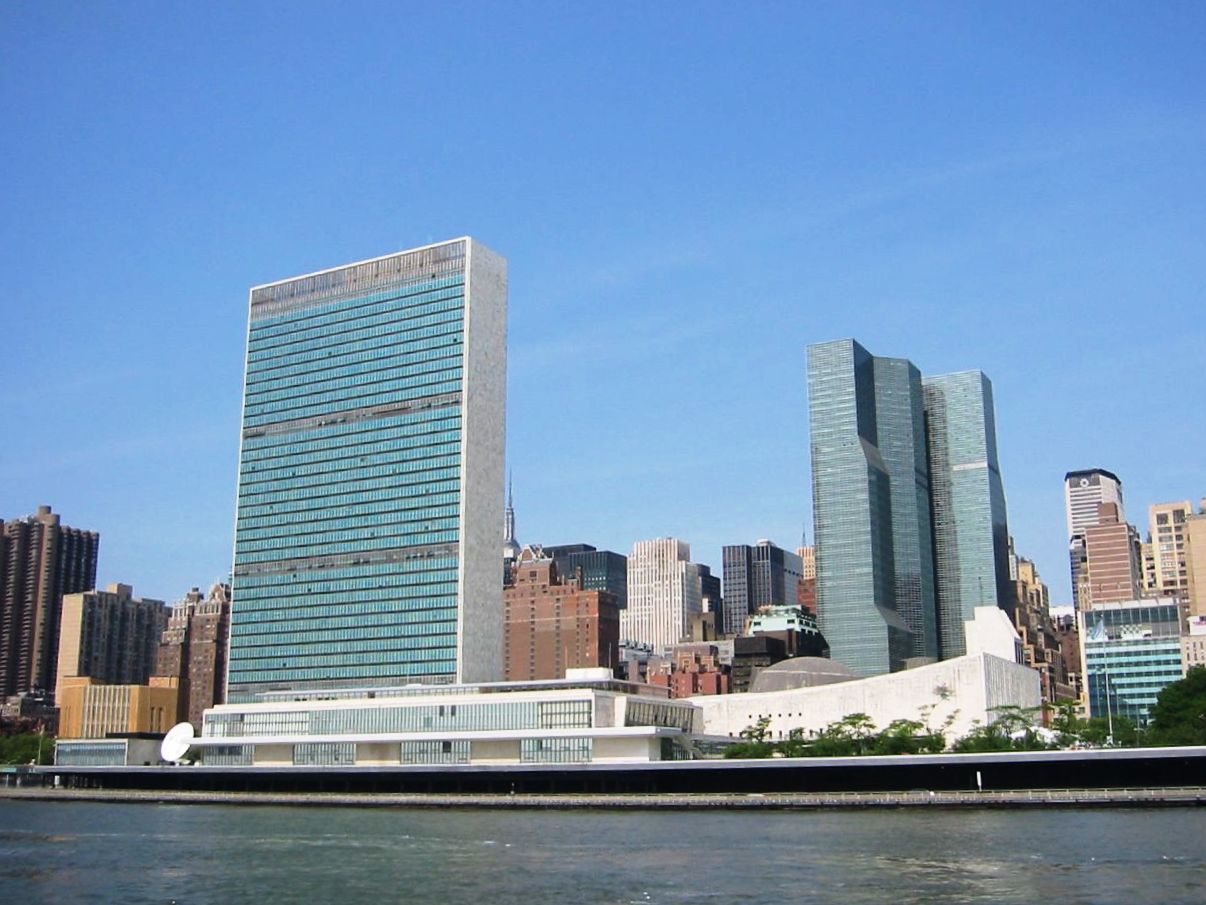
There are many measures of inequality that, when combined, provide nuance and depth to our understanding of how income is distributed. Choosing which measure to use requires understanding the strengths and weaknesses of each, and how they can complement each other to provide a complete picture.