 Welcome to the United Nations
According to the WESP 2020, sluggish global growth threatens sustainable development; 1 in 5 countries will see per capita incomes stagnate or decline this year, notably in Africa, Latin America and parts of Western Asia; across the world, many policies continue to encourage the use of fossil fuels

-
Department of Economic and Social Affairs
Economic Analysis
Macroeconomic Analysis
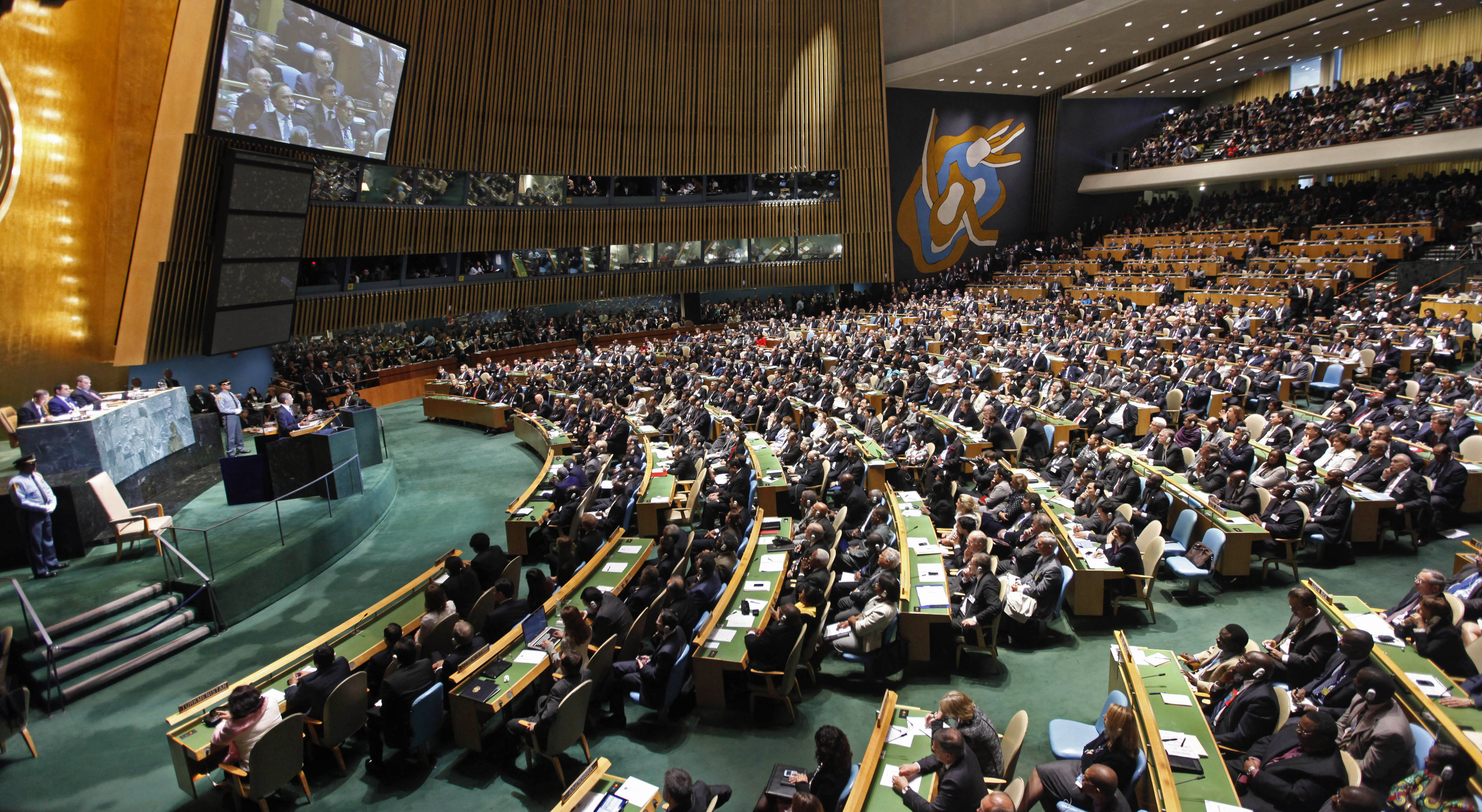
The global economy has suffered a significant slowdown amid prolonged trade disputes and wide-ranging policy uncertainties. Economists warn that economic risks could inflict severe and long-lasting damage on development prospects.
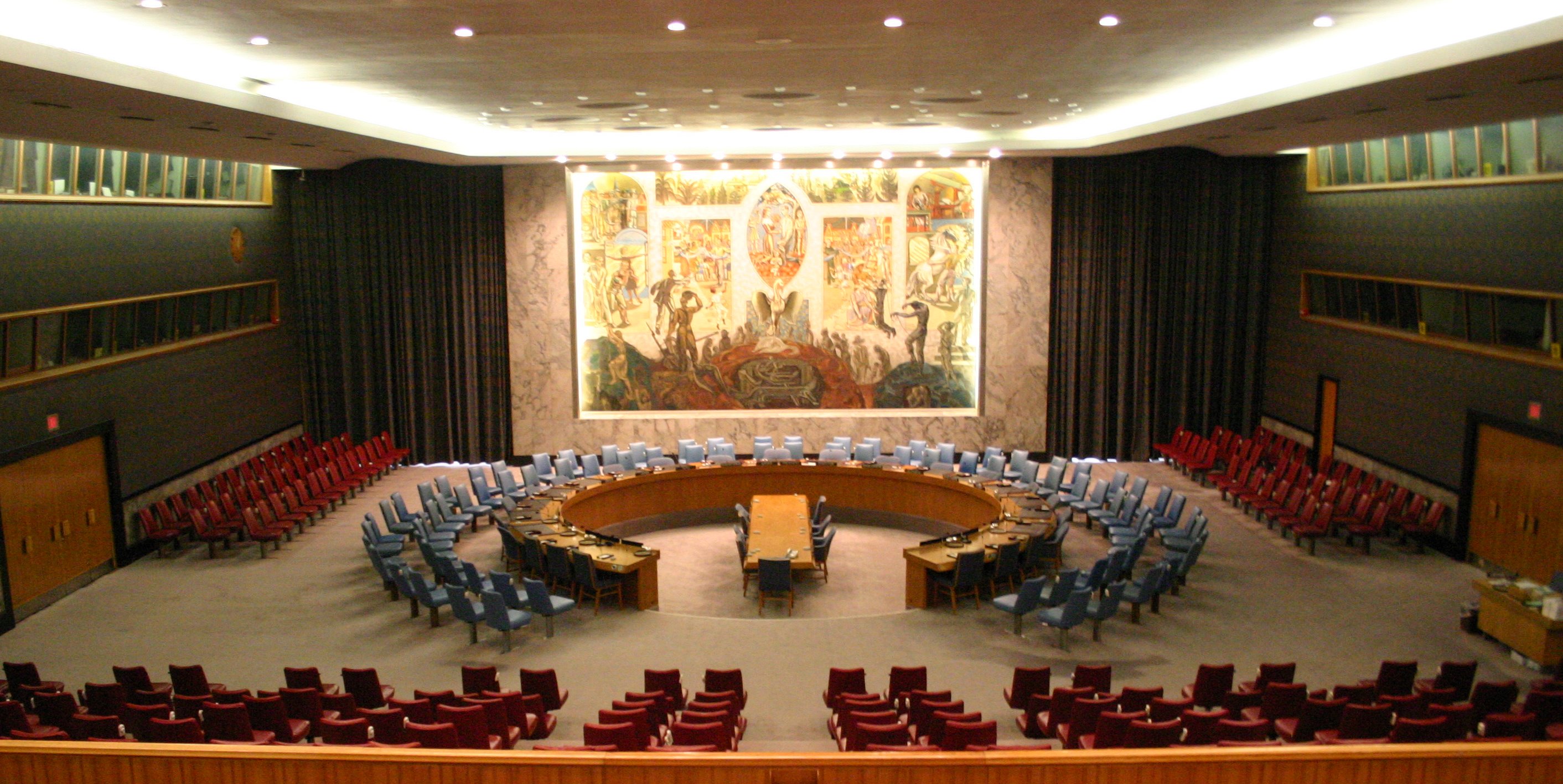
As energy demand is rising globally, it is imperative to transition to clean energy; the status of natural gas as a ?transition fuel? is waning; the automotive sector in Europe is undergoing dramatic changes
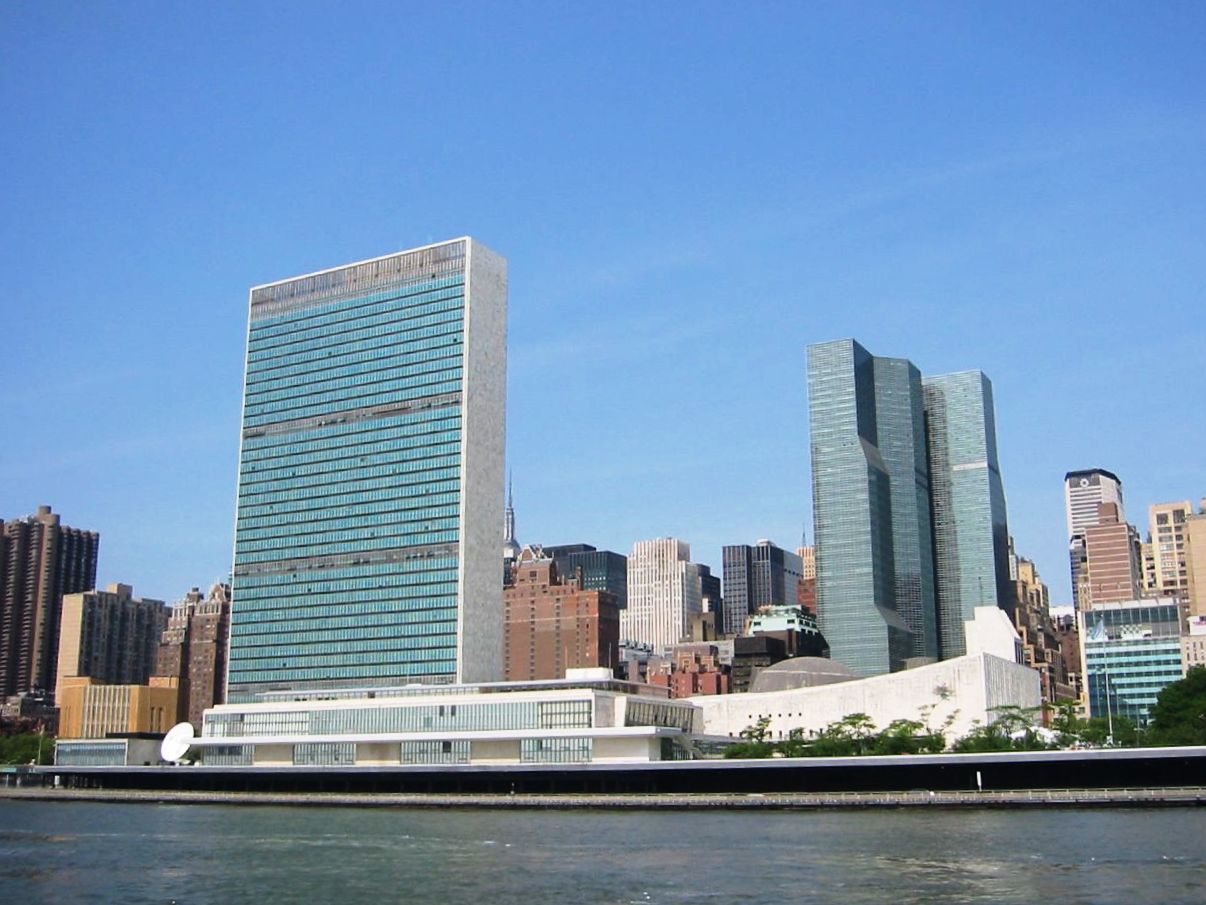
Lack of innovation a key structural challenge for many developing countries; economic diversification impeded by structural barriers in the CIS and Africa; weak productivity growth contributing to bleak economic outlook in Latin America
The global commodity price shock of 2014-2016 has caused setbacks in the fight against poverty; poverty eradication in Africa by 2030 is increasingly becoming out of reach; the humanitarian crisis in Yemen is exacerbating the poverty situation
Prolonged trade tensions exacerbating the cyclical slowdown in the global economy
Global automobile production contracts amid higher tariffs and policy uncertainty
Further easing of macroeconomic policies as external headwinds to growth rise
Carbon pricing is a vital policy tool to address the unfolding climate crisis
Amid rising global temperatures, drought forces Australia to import wheat for the first time in a decade
Debt-for-climate swaps are an innovative?development financing instrument
ODA flows must increase to support SDG-related investment
Regional integration in Africa and Asia is crucial for sustainable development
China?s direct investment in Latin America slows