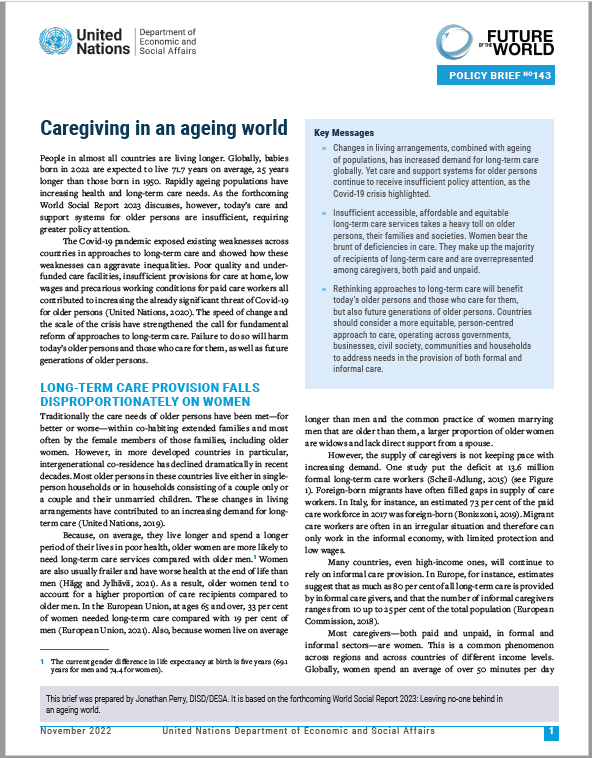
Rethinking approaches to long-term care will benefit today?s older persons and those who care for them, but also future generations of older persons. Countries should consider a more equitable, person-centred approach to care, operating across governments, businesses, civil society, communities and households to address needs in the provision of both formal and informal care.
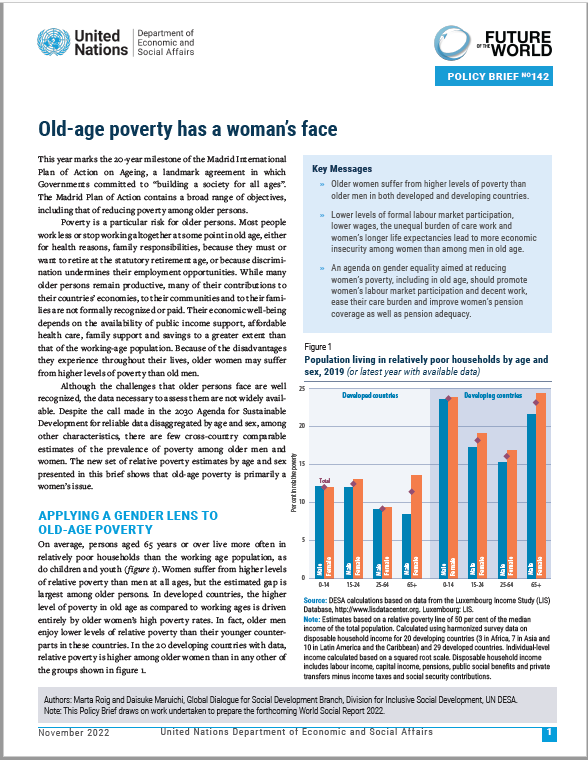
An agenda on gender equality aimed at reducing women?s poverty, including in old age, should promote women?s labour market participation and decent work, ease their care burden and improve women?s pension coverage as well as pension adequacy.
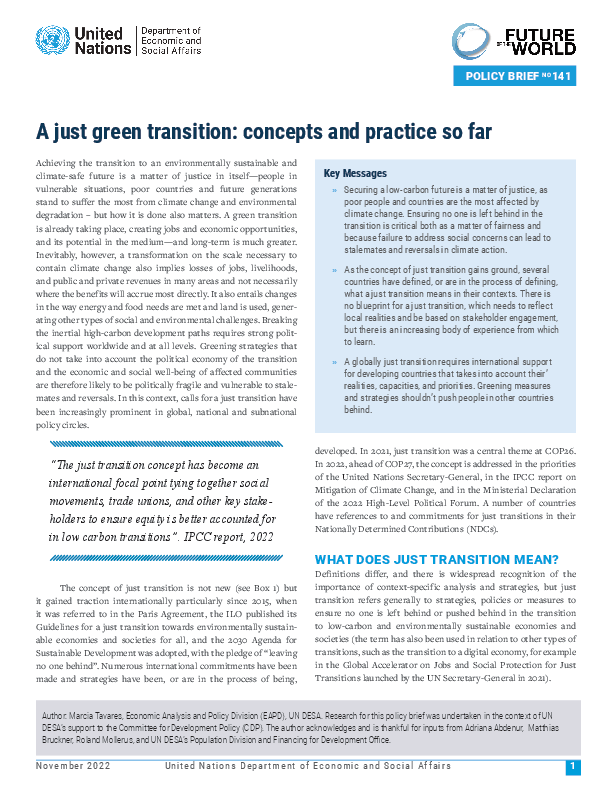
A globally just transition requires international support for developing countries that takes into account their? realities, capacities, and priorities. Greening measures and strategies shouldn?t push people in other countries behind.
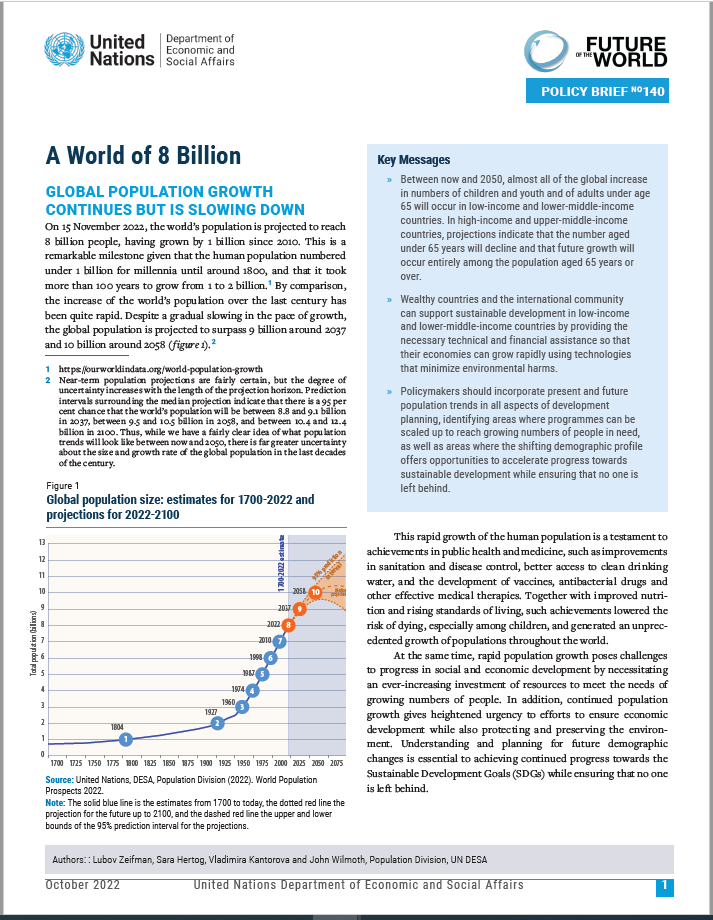
Wealthy countries and the international community should support sustainable development in low-income and lower-middle-income countries by providing the necessary technical and financial assistance so that their economies can grow rapidly using technologies that minimise environmental harms.
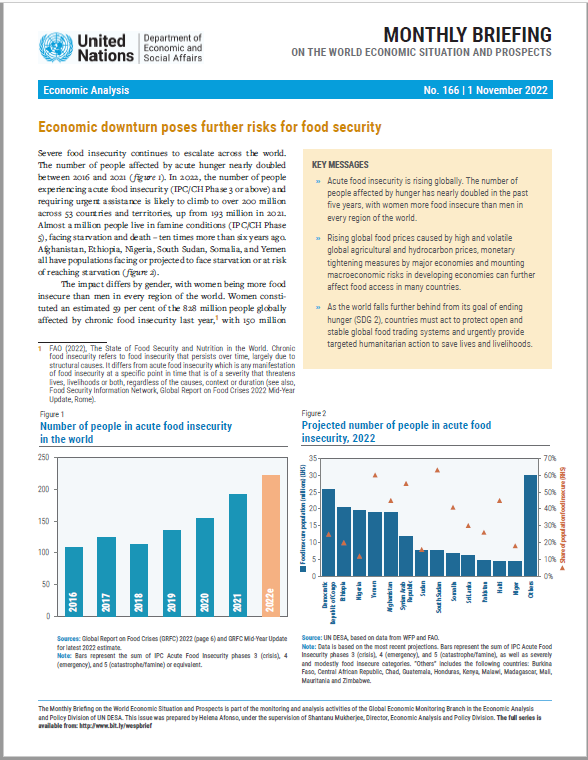
As the world falls further behind from its goal of ending hunger (SDG 2), countries must act to protect open and stable global food trading systems and urgently provide targeted humanitarian action to save lives and livelihoods.
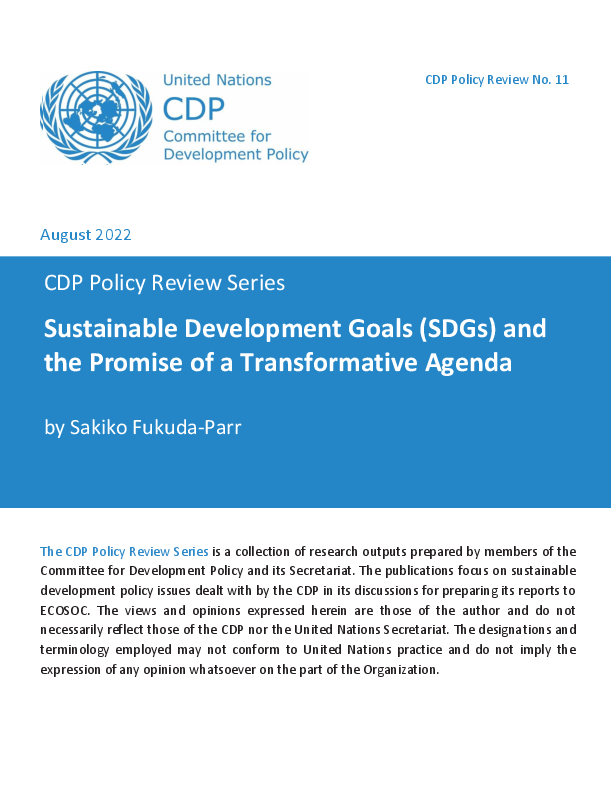
This article connects the work that underpinned the Agenda?s emergence with the continuing challenges of its implementation as a process of norm making and norm evolution
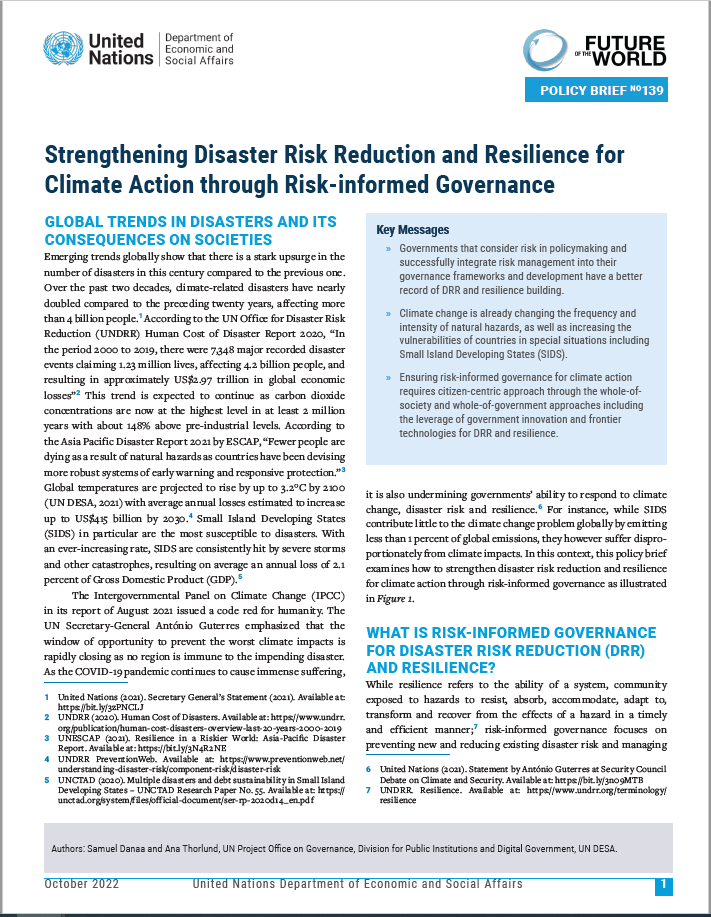
Ensuring risk-informed governance for climate action requires citizen-centric approach through the whole-of-society and whole-of-government approaches including the leverage of government innovation and frontier technologies for DRR and resilience.
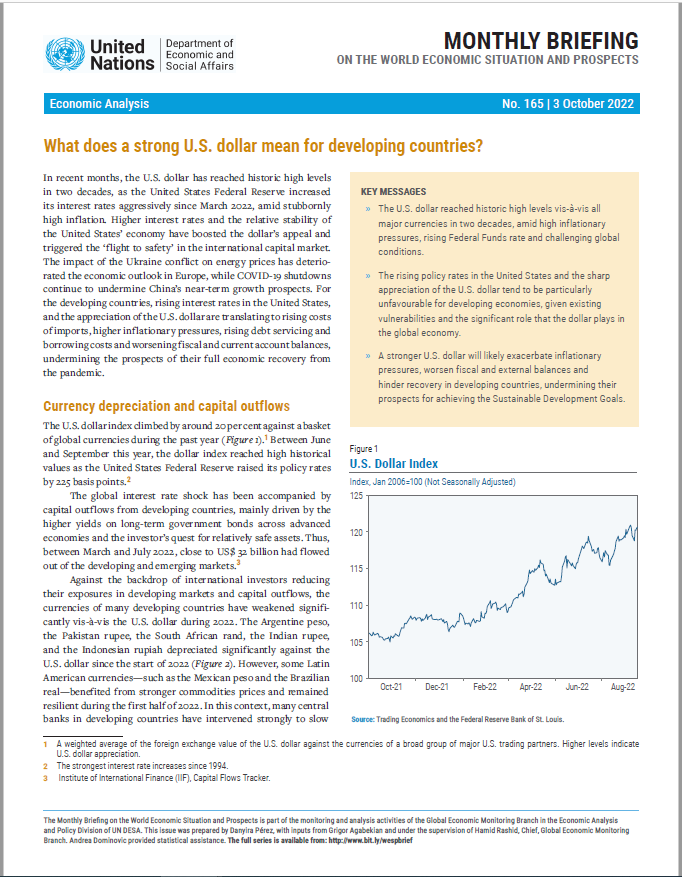
A stronger U.S. dollar will likely exacerbate inflationary pressures, worsen fiscal and external balances and hinder recovery in developing countries, undermining their prospects for achieving the Sustainable Development Goals.
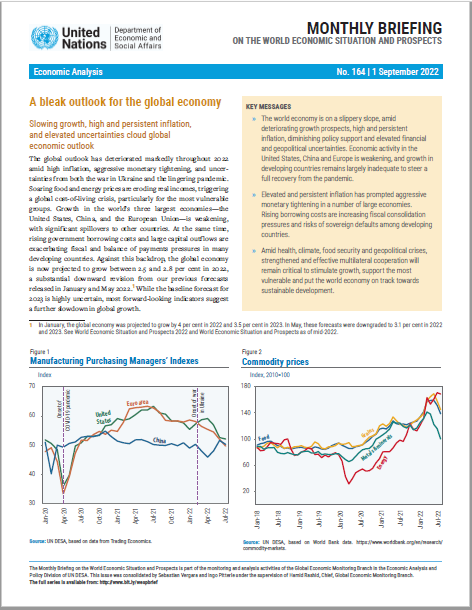
Amid health, climate, food security and geopolitical crises, strengthened and effective multilateral cooperation will remain critical to stimulate growth, support the most vulnerable and put the world economy on track towards sustainable development.
 Welcome to the United Nations