Publications

Displaying 531 - 540 of 1087
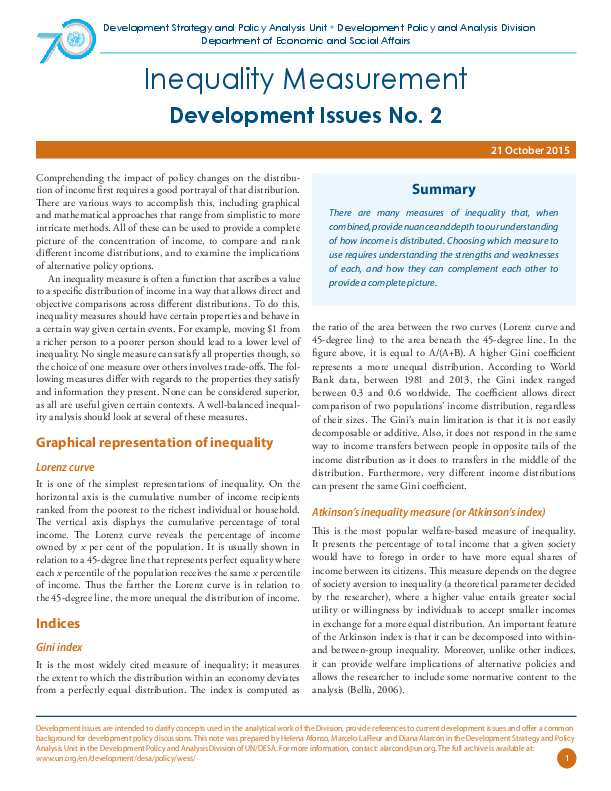
There are many measures of inequality that, when combined, provide nuance and depth to our understanding of how income is distributed. Choosing which measure to use requires understanding the strengths and weaknesses of each, and how they can complement each other to provide a complete picture.
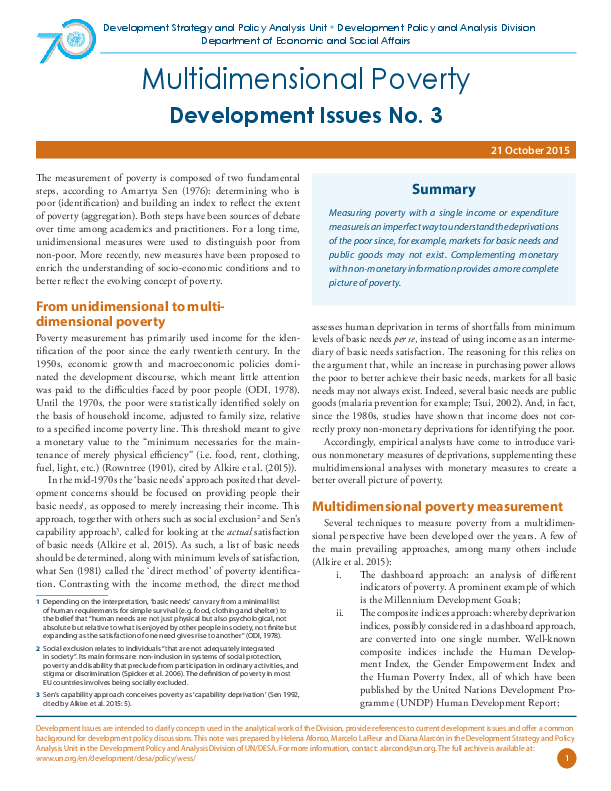
Measuring poverty with a single income or expenditure measure is an imperfect way to understand the deprivations of the poor since, for example, markets for basic needs and public goods may not exist. Complementing monetary with non-monetary information provides a more complete picture of poverty.
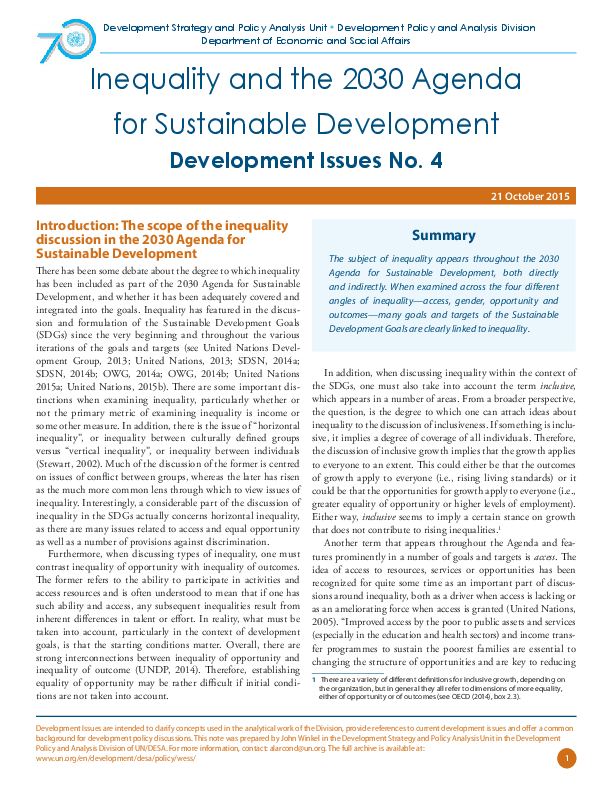
The subject of inequality appears throughout the 2030 Agenda for Sustainable Development, both directly and indirectly. When examined across the four different angles of inequality?access, gender, opportunity and outcomes?many goals and targets of the Sustainable Development Goals are clearly linked to inequality.
The DESA Expert Group Meeting on the World Economy was held from 21-23 October 2015 at the UN Headquarters in New York. More than seventy economists from all over the world participated in discussions on the current state of the world economy, regional outlook, world commodity markets and global modelling and econometrics.
14 September 2015 Summary Volatility soars in global financial markets
Concerns over China's economy are mounting
Stronger-than-expected GDP growth in the U.S., while economic growth slo
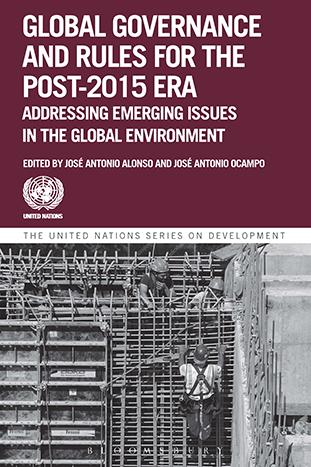
Global Governance and Rules for the Post-2015 Era provides a unique assessment of global rules and governance; a reflection of how global rules have been shaping development experiences and outcomes; an identification of the shortcomings; and innovat
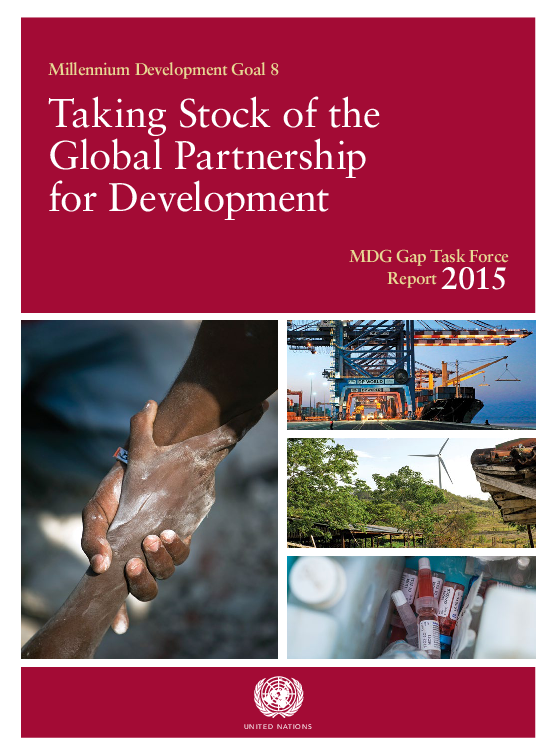
The 2015 Report of the MDG Gap Task Force was launched today in New York by Secretary-General Ban Ki-moon, Under-Secretary-General for Economic and Social Affairs Wu Hongbo and UNDP Administrator Helen Clark. The Task Force was created in 2007 to monitor Millennium Development Goal 8, Global Partnership for Development, specifically its five core domains, official development assistance (ODA), market access (trade), debt sustainability, access to affordable essential medicines and access to new technologies. This year marks the last of the series of this monitoring process with a closing report tracking 15 years of progress. As has been reported, there have been significant positive…